

Travel can open doors to new clients, stronger partnerships, and fresh opportunities. It can also drain your time, budget, and energy when plans fall apart. Approaching every journey with a clear strategy lets you accomplish more while spending less time dealing with unnecessary setbacks.
Learn practical ways to prepare, stay organized, manage costs, and remain productive before, during, and after every work-related trip. The goal is to help you return home with completed objectives instead of unfinished tasks.
Contents
- 1 Plan Every Trip With a Clear Purpose
- 2 Stay Connected Anywhere
- 3 Book Smarter Instead of Faster
- 4 Make Transportation Work for Your Schedule
- 5 Create a Portable Office Wherever You Go
- 6 Manage Spending Without Creating More Paperwork
- 7 Understand Company Travel Rules Before You Leave
- 8 Follow Market Trends to Travel More Strategically
- 9 Balance Productivity and Personal Time
- 10 Make Every Trip Count
Plan Every Trip With a Clear Purpose
The most productive business trips begin long before you leave your office. Define what success looks like instead of booking flights because of a scheduled meeting. Perhaps your goal is to secure a new client, strengthen an existing relationship, inspect a project site, or attend several networking events.
Organize your schedule around your highest-priority activities. Group nearby business meetings together whenever possible to reduce unnecessary commuting and create breathing room between appointments. A realistic itinerary is far more valuable than one packed with events that leave no time for preparation.
Review your company’s travel policy so you understand approved spending limits, booking procedures, and documentation requirements. Familiarity with internal guidelines minimizes confusion later and helps prevent delays during reimbursement.
Stay Connected Anywhere
Some business travelers face unreliable mobile connectivity in certain destinations, including the European region. Searching for local SIM cards after arrival, depending on public Wi-Fi, or paying expensive roaming charges can interrupt communication when you need it most.
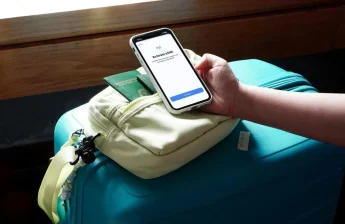
Using a Europe eSIM helps you stay connected from the moment you land. You can access maps, join video calls, respond to clients, confirm reservations, and coordinate with colleagues without unnecessary interruptions. Reliable internet access also keeps cloud-based files, calendars, and messaging platforms available throughout your journey.
Book Smarter Instead of Faster
Many travelers assume the first available itinerary is good enough. In reality, spending a little more time comparing options leads to significant savings and a smoother experience.
Perform a careful cost comparison before confirming flights, accommodations, and transportation. Flexible departure times, alternate airports, or adjusted meeting schedules can reduce overall travel expenses without sacrificing convenience.
If your organization works with a travel management company, take advantage of negotiated corporate rates, traveler support, and emergency assistance. These services simplify itinerary changes while helping your organization maintain consistent booking standards.
Complete your travel booking early whenever possible. Advance planning provides more options for flights, preferred seating, and accommodations that better suit your schedule.
Make Transportation Work for Your Schedule
Transportation decisions influence both your productivity and your stress level. Think about how each option affects your overall schedule. If multiple client visits are spread across a city, car rental services may provide greater flexibility than relying entirely on taxis or public transportation. Reserve vehicles early through approved car rental reservations to secure better availability and pricing.
For shorter trips, combining trains, rideshare services, and other forms of ground transportation may prove more efficient. Some travelers could use a personally owned car when company policies permit, particularly for regional travel.
Regardless of your choice, plan your direct routing whenever practical. Fewer detours reduce fatigue and create more time for meaningful work.
Create a Portable Office Wherever You Go
Travel can disrupt routines, but your work doesn’t have to stop. Preparing a portable workspace for travelers allows you to remain productive between appointments, at airports, and inside hotel rooms.
Pack only the essentials:
- A lightweight laptop and charger
- Noise-canceling headphones
- Portable battery pack
- Travel-sized keyboard or mouse if needed
- Secure cloud storage access
- Mobile hotspot as a backup connection
These simple tools allow you to answer emails, update presentations, and prepare for meetings without searching for suitable workspaces. Small investments produce noticeable improvements in business trip productivity.

Manage Spending Without Creating More Paperwork
Organizing finances during travel saves considerable time after returning home. Record purchases as they happen rather than collecting receipts in your suitcase.
Use digital expense tracking software to categorize meals, transportation, lodging, and other costs throughout your trip. If your company issues a corporate card, using it consistently can simplify reporting while reducing manual data entry.
Keep every original receipt for eligible purchases. This habit makes preparing your expense report significantly easier and reduces questions during the reimbursement process.
Understand Company Travel Rules Before You Leave
Administrative requirements may seem tedious, but they prevent unnecessary complications later. Every organization has different expectations regarding approvals, documentation, and spending limits.
Review your company’s travel and business expense policy before making reservations. Certain organizations, including universities and research institutions, may require compliance with a grant-funded travel policy for specific projects.
If your employer offers a travel advance request, submit it early enough to avoid paying substantial costs yourself. You should also understand the procedures governing reimbursement of out-of-pocket expenses, especially when unexpected situations arise during travel.
Some organizations request a travel support and experience form after returning, allowing employees to report logistical challenges and recommend future improvements.
Follow Market Trends to Travel More Strategically
Business travel continues to evolve as organizations balance face-to-face collaboration with digital communication. According to industry data, global business travelers spent USD$ 1.4 trillion in 2023, representing 20% of the total tourism expenditures during that year. The figure highlights the continuing importance of well-planned corporate travel.
Modern business travelers increasingly prioritize efficiency over simply filling their calendars with appointments. Companies are also investing in smarter planning tools, flexible scheduling, and technologies that improve traveler safety while reducing unnecessary costs.
Balance Productivity and Personal Time
Some professionals extend their journeys with personal travel, provided company guidelines permit it. If you choose this option, clearly separate business-related costs from personal spending. Track lodging expenses, meals, and transportation accurately so accounting teams can distinguish eligible business costs from personal ones.
For international assignments, understand how your tax home affects reporting requirements. Confirm your official departure location, approved remote work location, applicable foreign per diem rates, and any other rules governing travel and business expenses before leaving.
Careful planning lets you support your business expansion strategies while also making each trip more rewarding, sustainable, and easier to manage over the long term.
Make Every Trip Count
Productive business travel doesn’t happen by accident. It comes from thoughtful planning, organized spending, reliable technology, and realistic scheduling that supports your goals instead of working against them.
Every trip allows you to strengthen relationships, uncover new opportunities, and represent your organization professionally. Refining your approach before, during, and after every journey helps you spend less time solving travel problems and more time achieving meaningful business results.