

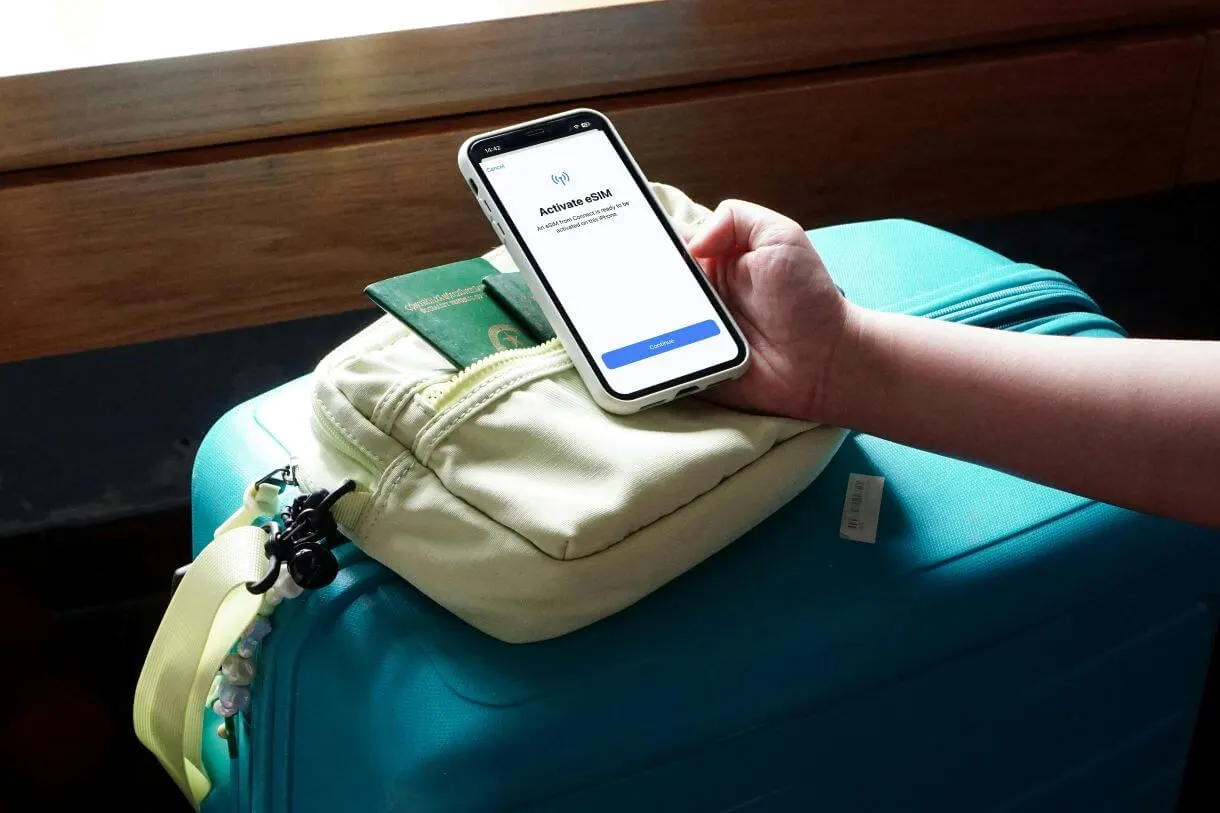
Traveling to China is exciting. The food, the pace of the cities, the blend of ancient history and modern tech—it all pulls you in. But staying connected? That’s where things can get unexpectedly complicated.
You might assume your usual roaming plan will work fine, or that grabbing a SIM at the airport is enough. In reality, navigating connectivity in China requires a bit more thought, especially if you want to avoid high roaming fees. If you want reliable access, fast speeds, and minimal friction, you need to approach the process with a more informed mindset. That’s where understanding eSIM options comes in, and why a tech-savvy approach can save you time, stress, and even money.
Contents
- 1 Staying Connected Abroad Without the Usual Headaches
- 2 Why Connectivity in China Feels Different
- 3 Looking Beyond Price and Data Limits
- 4 Device Compatibility Isn’t Always Straightforward
- 5 Regional Differences Can Affect Your Experience
- 6 Practical Tips for Choosing the Right Option
- 7 The Role of Preparation in a Smooth Trip
- 8 Final Words
Staying Connected Abroad Without the Usual Headaches
This virtual communication tool is essential for international trips. From the get-go, Traditional physical SIM cards often mean hunting for local vendors, dealing with language barriers, or swapping out your primary number. An eSIM removes those friction points through simple digital management.
You can activate it before you even board your flight. No queues. No paperwork. No tiny plastic cards to keep track of. More importantly, you stay connected the moment you land, which is invaluable when you’re navigating unfamiliar places or coordinating transport during your travel plans.
But while they simplify the process in many countries, China introduces a different set of considerations.
Why Connectivity in China Feels Different
If you’ve travelled widely, you might be used to seamless internet access. China operates a bit differently. Certain services and apps you rely on daily may not function as expected, and network compatibility can vary more than you’d anticipate.
This creates a common challenge: you may have data, but not the kind of access you actually need. You may not have issues being online, but you might not feel effectively connected. Messaging apps might lag. Maps may not load properly. Some websites could be inaccessible.
That’s why choosing the best eSIM for China becomes less about price and more about how well it’s configured to handle these nuances. A well-suited option can route traffic in a way that improves accessibility and consistency, helping you avoid the frustration of partial connectivity. It doesn’t change the environment you’re in, but it can make navigating it far smoother.
Looking Beyond Price and Data Limits
It’s tempting to go straight for the cheapest option with the highest data allowance when comparing eSIM plans. That works in many destinations, but here, it’s not enough.
You need to consider network partnerships. Which local carriers does the eSIM connect to? Does it switch networks automatically for better coverage? Providers that work with trusted partners tend to deliver more stable performance across different regions.
Latency is another overlooked factor. If your connection routes through distant servers, even simple tasks can feel sluggish. A more refined eSIM setup reduces this lag, making everything from browsing to video calls feel more natural, especially when relying on 4G/5G connectivity. In short, you’re not just buying data but deciding how it behaves.

Device Compatibility Isn’t Always Straightforward
While most modern smartphones support eSIM technology, the way they interact with different networks can vary. For example, some phones prioritize certain frequency bands over others. If your device isn’t optimized for the networks used in China, you might experience weaker signals or inconsistent speeds. This means your device’s performance might not be ideal.
Checking compatibility beforehand is a small step that makes a big difference. It’s the kind of detail that a tech-savvy traveler doesn’t overlook.
Regional Differences Can Affect Your Experience
China is vast, and connectivity isn’t uniform across the country. What works perfectly in a major city might feel less reliable in more remote areas. Some provinces in China may have stricter internet access prohibitions. This isn’t something you’ll necessarily notice right away, but it can affect how certain services behave depending on where you are. The key is to be prepared rather than surprised, and to ensure your connection is secure against potential online attacks when using public or unfamiliar networks.
A thoughtfully chosen eSIM can help maintain more consistent access across regions by optimizing how your connection is handled. It won’t eliminate every variation, but it can reduce the impact, especially if you’re travelling beyond the main urban centers.
Practical Tips for Choosing the Right Option
Making the right choice doesn’t require deep technical expertise, but it does benefit from a bit of awareness. Here are a few practical points to guide you:
- Check supported networks
Look for providers that partner with multiple local carriers. This increases your chances of maintaining a stable connection as you move around. - Understand how traffic is routed
Some eSIMs route data through international servers. This can improve accessibility but may affect speed. Balance matters here. - Read real user experiences
Reviews from travelers who’ve used the service in China can reveal patterns you won’t find in product descriptions. - Confirm activation steps
The best eSIM is one you can set up easily before departure. Complicated activation processes defeat the purpose.
Taking a few minutes to review these factors can prevent hours of frustration later. It’s a small investment for a much smoother trip.
The Role of Preparation in a Smooth Trip
There’s a noticeable difference between travelers who prepare their connectivity in advance and those who figure it out on arrival. The former steps off the plane and moves with confidence. The latter often spend their first hour searching for Wi-Fi or troubleshooting settings.
Preparation saves time and shapes your entire travel experience. When your connection works as expected, everything else becomes easier. Navigation, bookings, communication—it all flows. In a destination like China, where digital tools play a big role in daily life, that reliability matters even more.
Final Words
Finding the best eSIM China has to offer isn’t as simple as picking the cheapest plan or the one with the most data. It requires a bit of curiosity, a willingness to look beyond surface-level features, and an understanding of how connectivity works in a different digital landscape.
When you take a more thoughtful approach, you’re not just buying convenience—you’re setting yourself up for a smoother, more enjoyable trip. And that’s ultimately what travel should be about: fewer obstacles, more meaningful experiences.